
How the Paver Installation Process Works Step-by-Step
People searching for how the paver installation process works step-by-step are often looking to understand the project and find local contractors who can expertly handle each stage.
Understanding how the paver installation process works step-by-step can help property owners feel more confident when considering a new outdoor surface. Whether planning a patio, walkway, or driveway, knowing what to expect ensures that every stage of the project is clear and manageable. Local contractors who specialize in paver installations are equipped to guide clients through each phase, from initial site preparation to the finishing touches. Exploring this process in detail can also highlight the importance of proper planning and execution, which ultimately leads to a durable, attractive result.
Property owners in the area often seek out information about paver installation to make informed decisions and ensure their outdoor improvements stand the test of time. Learning about each step involved can reveal why working with experienced service providers makes a difference, as they bring the expertise needed for a smooth, efficient process. As you continue reading, you'll discover how local professionals can help turn your vision into reality, handling every aspect of the paver installation process with skill and care.
- Driveway Paving - homeowners needing a durable, attractive driveway can rely on local contractors to prepare the base and install pavers following the proper sequence.
- Patio Installation - those looking to create an outdoor living space can find service providers experienced in designing and laying out paver patios step-by-step.
- Walkway Paving - property owners wanting safe, visually appealing walkways can work with local pros who handle site preparation and precise paver placement.
- Pool Deck Paving - clients seeking slip-resistant, stylish pool surrounds can connect with service providers skilled in installing pavers around water features.
- Landscape Paver Projects - individuals planning to enhance their yard with decorative paver features can access local contractors familiar with the entire installation process.
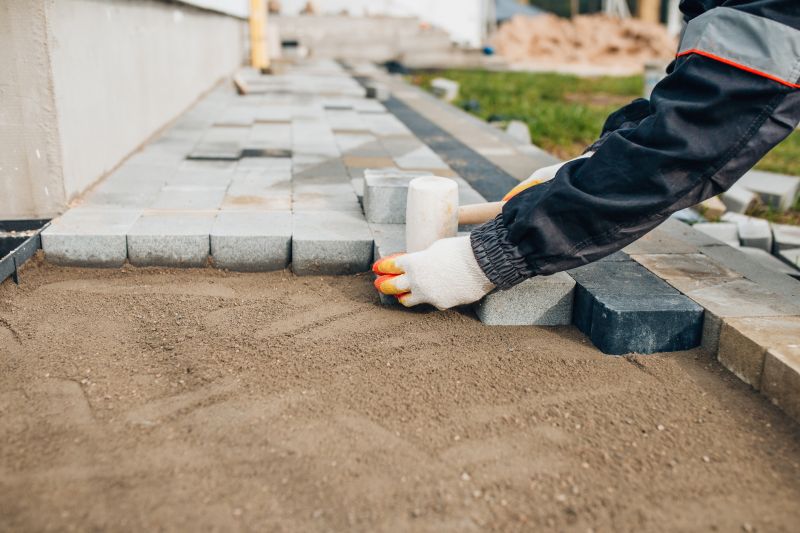
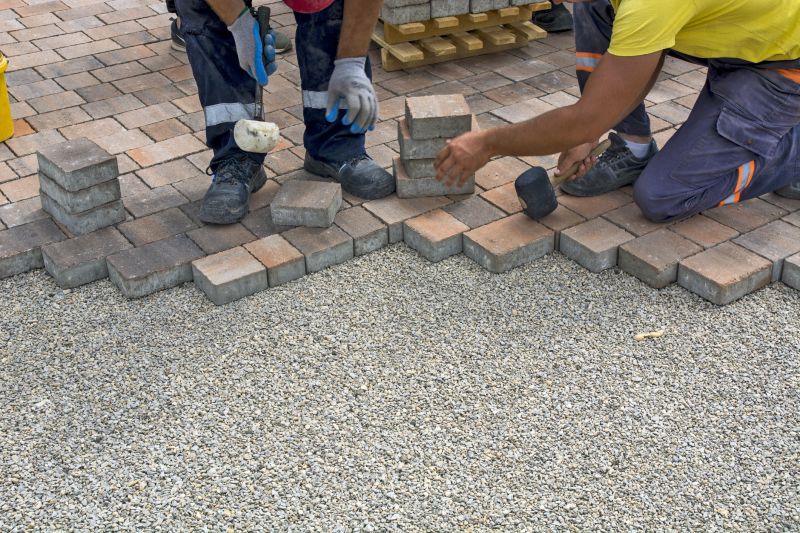
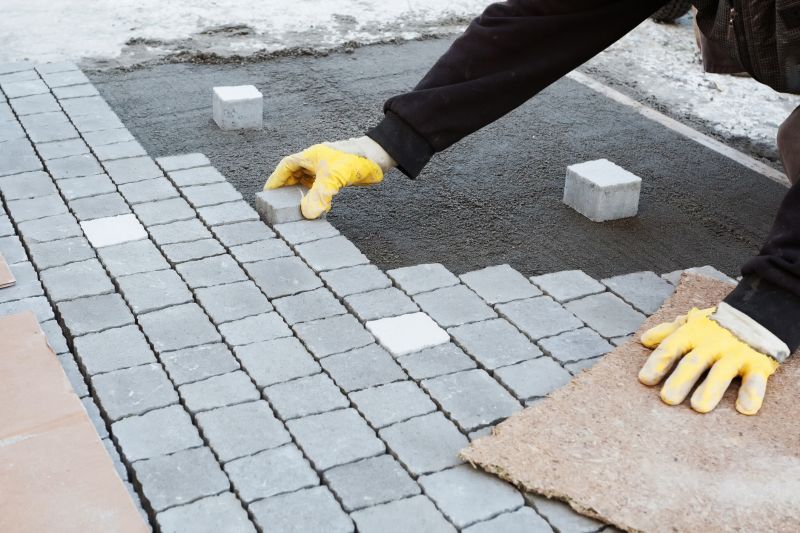
When people search for how the paver installation process works step-by-step, they are often looking to understand the overall sequence involved in transforming an outdoor space with pavers. This includes homeowners planning to create new patios, walkways, driveways, or other paved surfaces. They want to know what each stage entails, from initial site preparation to final finishing touches, so they can better visualize the project and ensure it aligns with their expectations. Understanding this process helps homeowners identify potential issues early on and communicate more effectively with local contractors, ensuring the project runs smoothly and meets their needs.
Paver installation is typically linked to projects that involve improving outdoor aesthetics, increasing property value, or creating functional spaces for activities like entertaining or gardening. Common problems that lead homeowners to seek paver services include cracked or uneven concrete, outdated driveways, or areas prone to erosion and drainage issues. Plans often revolve around upgrading or replacing existing surfaces or designing entirely new layouts that enhance the property's usability and curb appeal. These projects usually require careful planning and execution, making it important to work with experienced service providers who understand the specifics of paver installation.
The types of properties that commonly come up in discussions about paver installation include residential homes, small commercial buildings, and community spaces. Residential properties often feature patios, walkways, pool surrounds, or driveway upgrades. Commercial properties may need durable walkways or decorative plaza areas, while community spaces might include public parks or recreational areas with paved pathways. Each property type presents unique considerations, such as space size, usage frequency, and aesthetic preferences. Local contractors experienced in paver installation can assess these factors and recommend solutions that fit the property's specific requirements, ensuring a durable and attractive outcome.
Understanding how the paver installation process works step-by-step helps homeowners see the connection between planning, preparation, and execution. It typically begins with site assessment and excavation, followed by base preparation and leveling, then the laying of pavers in a chosen pattern, and finally, joint filling and sealing. Each step is crucial for ensuring stability, longevity, and visual appeal. Local service providers play a key role in managing each phase, bringing expertise to handle challenges like soil conditions or drainage issues. By knowing what to expect during the process, homeowners can better coordinate with contractors and make informed decisions to achieve a successful paver project.
Landscape design projects - landscape designers and contractors often work with similar planning, grading, and surface preparation skills as paver installation services.
Concrete driveway construction - installing concrete driveways involves site prep, base work, and finishing techniques comparable to paver installation processes.
Patio and walkway construction - these projects require detailed planning, excavation, and surface leveling, aligning closely with step-by-step paver installation methods.
Retaining wall installation - building retaining walls involves site assessment, excavation, and structural work similar to preparing for paver surfaces.
Outdoor flooring and decking - installing durable outdoor surfaces uses planning, surface prep, and precise placement skills found in paver installation projects.
Concrete paving services - concrete paving shares foundational skills like site prep, base work, and surface finishing with paver installation services.
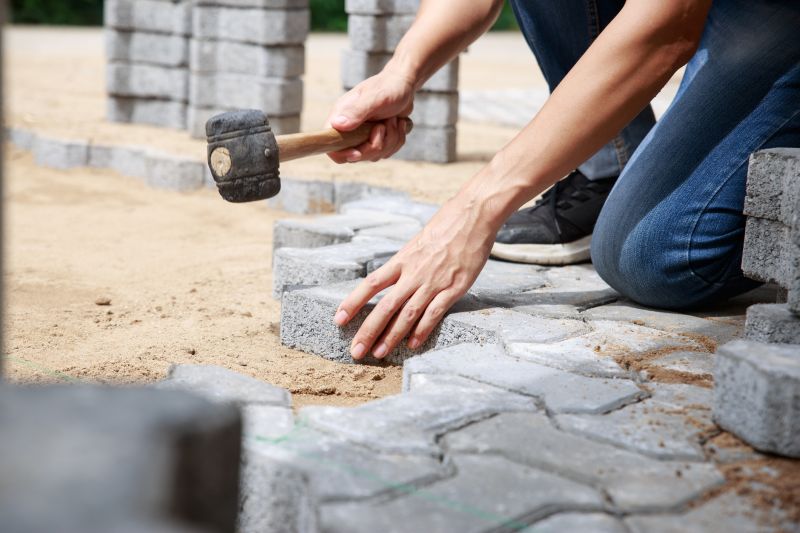
When comparing local contractors for paver installation services, it’s important to evaluate their experience with similar projects. Homeowners should seek out service providers who have a proven track record of handling paver installations comparable in scope and complexity to their own. An experienced contractor will be familiar with the specific steps involved in the process, from preparing the base to laying the pavers, and can offer insights into potential challenges and best practices. This familiarity often translates into a smoother project execution and a finished result that aligns with expectations.
Clear written expectations are essential when choosing a service provider for paver installation. Homeowners should look for contractors who provide detailed project descriptions, including the scope of work, materials to be used, and the estimated timeline. Having these details in writing helps ensure that both parties share a common understanding of what the project entails, reducing the likelihood of misunderstandings or unmet expectations. Transparent communication about the process also demonstrates professionalism and a commitment to delivering quality work.
Reputable references and good communication are key factors in selecting reliable local contractors. Homeowners are encouraged to ask for references from past clients or view examples of completed projects to gauge the contractor’s workmanship and professionalism. Additionally, responsive and clear communication throughout the initial consultation can indicate how well a service provider understands customer needs and how effectively they will keep clients informed during the project. Choosing a contractor who values transparency and maintains open lines of communication can contribute significantly to a positive installation experience.
Property owners often search for how the paver installation process works step-by-step when they are planning practical projects around their homes and businesses. Local pros provide Paver Installation Process services for everyday jobs and straightforward project options.
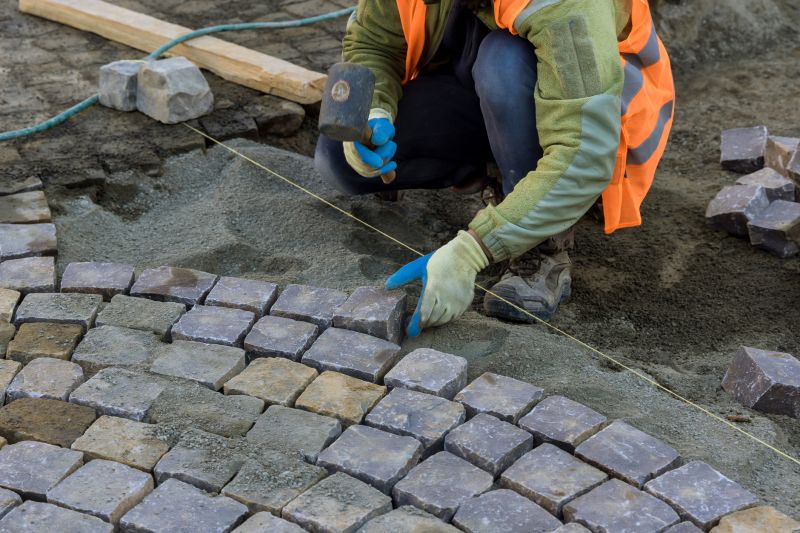
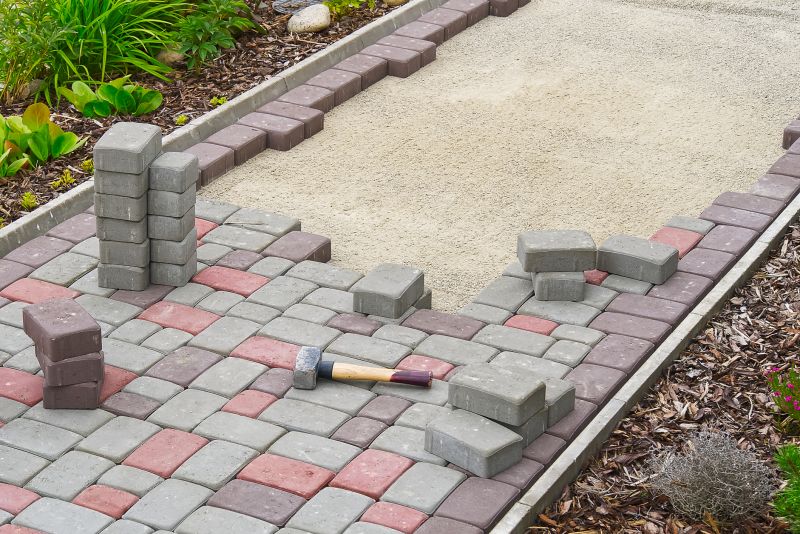
Understanding how the paver installation process works step-by-step can help property owners in the area plan for upgrades to their outdoor spaces. Typically, local contractors start by preparing the area, which includes removing any existing surfaces and ensuring the ground is properly leveled. This groundwork is essential for creating a stable base that will support the new pavers and prevent future shifting or cracking. Once the foundation is set, the pavers are carefully laid out in the desired pattern, with space left for jointing material to fill gaps and lock everything in place. This straightforward process allows property owners to visualize how their new paved areas will come together, making it easier to decide on designs and materials.
Many local service providers specialize in guiding property owners through each stage of the paver installation process. These professionals handle the site preparation, base installation, and paver placement, ensuring that the project adheres to best practices for durability and appearance. They can also advise on the best types of pavers for specific needs, whether for a driveway, walkway, or patio. By working with experienced local contractors, property owners can feel confident that their project will be completed efficiently and with attention to detail, resulting in a functional and attractive outdoor space that enhances the property's value.
What is the first step in the paver installation process? The initial step involves preparing the area by removing existing surface materials and ensuring a level foundation for the pavers, which local contractors typically handle thoroughly.
How do pros ensure the foundation is properly prepared? Local service providers usually excavate the site, compact the soil, and add a base layer of gravel or sand to create a stable, even surface for the pavers.
What comes after the foundation is ready? Once the foundation is prepared, pavers are laid in the desired pattern, with professionals carefully placing and adjusting each paver for uniformity and aesthetic appeal.
How do contractors finish the installation process? After laying the pavers, local pros typically add joint sand between the pavers and compact the surface to secure the pavers in place and ensure durability.
What is involved in the final steps of paver installation? The final steps often include cleaning the surface, inspecting for any uneven areas, and adding edge restraints to maintain the installation’s integrity, all handled by local service providers.
Preparing the Site - property owners can work with local contractors to clear and level the area, ensuring a solid foundation for paver installation.
Selecting Materials - choosing the right paver types and patterns helps property owners match their outdoor space with their aesthetic preferences.
Excavation and Base Installation - local pros can handle the excavation and base layer setup to provide stability and proper drainage for the pavers.
Pattern Laying and Finishing - property owners can collaborate with service providers to lay pavers in desired patterns and complete the installation with edge restraints and compaction.
If you are thinking about how the paver installation process works step-by-step for a property, this guide is meant to help you understand this topic, the typical project types, and how different options might fit your plans.
When you are ready, you can use the quote form on this page to share a few details about your project. From there, local pros can review the basics and follow up with options that match what you have in mind.